
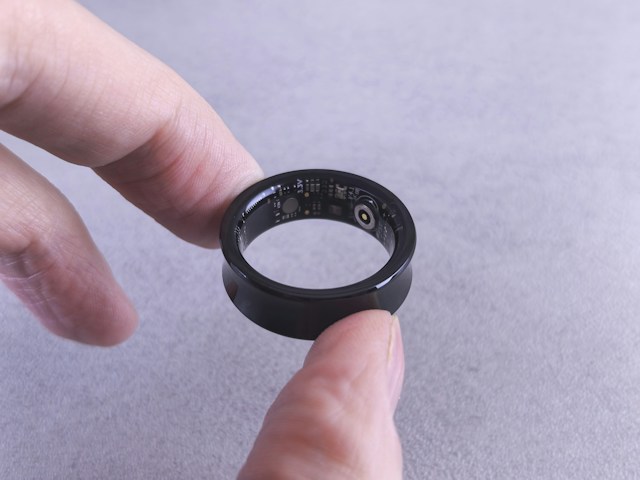
Have you ever woken up feeling rested, checked your sleep score, and suddenly questioned whether you actually slept well? It has happened to me.
Before your feet even touch the floor, a number on your phone has changed how you feel about the day ahead.
With so much health information at our fingertips, it’s easy to feel we should do more. Additionally, tracking more numbers can be overwhelming in the morning. For How to use fitness tracker data, focus on a few meaningful metrics.
My approach to holistic nutrition centers on understanding the whole person: your nourishment, movement, sleep, stress, and the daily rhythms that shape how you feel.
Your fitness tracker can offer helpful clues within that bigger picture. The goal is to use those clues to build habits that support you.
Let’s walk through what deserves your attention—and when it may be time to close the app.
Indeed, what metrics from a fitness tracker matter most?
First, you don’t need to monitor every measurement your device offers.
Next, start with sleep patterns and daily movement.
Additionally, if your tracker includes a cardio fitness estimate, that can provide another useful trend to follow over time.
1. Sleep Consistency: Look Beyond Your Sleep Score.
When reviewing your sleep data, pay attention to your bedtime and wake-up time.
Also note how much sleep you’re getting and how rested you feel.
A study of nearly 61,000 adults found that regular sleep patterns linked to lower death risk.
Sleep regularity was a stronger predictor of mortality than sleep duration.
However, this does not prove that a consistent schedule causes longer life.
This context shows how to use fitness tracker data to assess sleep.
That gives us a practical place to begin: a more predictable daily rhythm.
Ask yourself:
- Do my bedtime and wake-up time vary significantly throughout the week?
- Am I giving myself enough time to sleep?
- Do I feel rested during the day?
Choose one small adjustment, such as a more consistent wake-up time or an evening routine that gives you room to unwind.
Consistency matters, but it doesn’t replace getting enough sleep. Give yourself grace as you work toward both.
2. Daily steps: Build from where you are.
If you haven’t reached 10,000 steps, your day still counts.
A meta-analysis of 15 studies found that taking more daily steps was associated with lower mortality risk. The association leveled off at approximately 6,000–8,000 steps for adults age 60 and older and 8,000–10,000 for adults younger than 60. These are population findings, rather than a personalized prescription or a limit on the benefits of movement. (pmc.ncbi.nlm.nih.gov)
For your own routine, start by noticing your usual activity level.
Does movement disappear on busy workdays? Are you sitting for long stretches? Could a short walk fit between appointments or after a meal?
A few manageable opportunities might include:
- Taking a short walk after lunch.
- Walking while you catch up with a friend.
- Getting up for movement breaks throughout the day.
- Adding a comfortable evening stroll.
Your step count also won’t capture everything. Pilates, strength training, cycling, and swimming deserve a place in the picture, too.
Choose movement you enjoy and can return to consistently.
3. Cardio Fitness: Watch the Longer-Term Trend
Some wearables estimate your cardio fitness, often labeled VO₂ max. This refers to the maximum amount of oxygen your body can use during intense exercise.
Research involving more than 122,000 adults who underwent treadmill testing found that higher cardio-respiratory fitness was associated with lower mortality risk. That study assessed fitness through clinical exercise testing; it did not validate the numbers displayed by consumer trackers. (jamanetwork.com)
Think of your device’s estimate as an approximate trend. A single reading gives you much less information than a pattern over time.
You can also notice everyday signs of progress: walking farther comfortably, managing stairs more easily, or recovering more quickly after familiar activities.
Build gradually from an activity level that feels appropriate for you.
What Is HRV, and What Can It Tell You?
Heart rate variability, or HRV, measures the small differences in time between consecutive heartbeats.
It can offer information about the autonomic nervous system, which helps regulate functions such as heart rate. Its interpretation depends on factors including age, health, recording conditions, and the measurement used. There is no single ideal HRV number for everyone. (frontiersin.org)
That’s why comparing your number with someone else’s can create unnecessary worry.
A more useful approach is to follow your own pattern using the same device under similar conditions. If you notice a sustained change, consider it alongside your sleep, activity, stress, and how you feel.
An HRV reading cannot tell you exactly why you feel tired or diagnose a health condition. It can help you ask better questions.
How to Review Your Fitness Tracker Data Each Week
You don’t need to analyze your health every morning. A brief weekly check-in can help you notice patterns without making every reading feel urgent.
Review:
- Sleep: Were your sleep and wake times reasonably consistent? Did you feel rested?
- Movement: How did your activity compare with your usual week?
- Recovery: If you track HRV, was there a sustained change from your baseline?
- Daily well-being: How were your energy, mood, hunger, and ability to handle everyday demands?
Then choose one or two manageable actions.
Perhaps you’ll prepare lunch before a busy day so you have time for a walk. Maybe you’ll protect a little more time for sleep or schedule a movement session you’ve been missing.
The purpose of tracking is to help you make choices that fit your life. You don’t have to improve every metric at once.
Keep Nourishment in the Picture
Your tracker can count steps, but it cannot fully explain what your body needs.
Alongside your data, consider a few simple questions:
- Am I eating enough to support my activity?
- Do my meals include protein, fiber-rich foods, and a variety of plants?
- Am I making time to eat and stay hydrated?
- Does my schedule leave room for rest?
These questions help connect the numbers with your daily experience.
At Nourished by Heylen, I take an individualized approach to nutrition and lifestyle support. Your goals, preferences, routines, and challenges all matter when we build a plan you can follow.
When Fitness Tracking Creates More Stress
Sometimes tracking becomes another source of pressure.
Researchers introduced the term orthosomnia to describe cases in which people became preoccupied with achieving ideal sleep based on tracker data. Their report highlighted how that pursuit could interfere with sleep and complicate treatment. (pmc.ncbi.nlm.nih.gov)
If checking your scores makes you anxious, consider reviewing them less often or taking a break.
Consumer sleep estimates have limitations. A sleep score or recovery label should not be used on its own to diagnose a sleep disorder or decide whether you need care. (pmc.ncbi.nlm.nih.gov)
If you feel rested but see one disappointing score, give yourself room to observe the pattern. If you have persistent fatigue, dizziness, disrupted sleep, or other symptoms, bring those concerns to your healthcare professional—even if your tracker says everything looks fine.
Additionally, Use Your Data to Support a Sustainable Routine.
Your body deserves care on the days your numbers look great and on the days they don’t.
Let your fitness tracker help you notice patterns. Bring those observations back to the foundations: nourishing meals, movement you enjoy, adequate sleep, and room to recover.
Progress often comes through small choices repeated over time. Additionally, you can build those habits without turning every day into a test.
Would you like support creating a nutrition and lifestyle routine that fits your needs?
At Nourished by Heylen, I help you connect your daily habits with your personal goals and create practical steps you can follow with confidence.
May you find clarity in your data, confidence in your choices, and balance in your daily routine as you move forward with intention and patience.
Best regards,
Heylen